


Categories
Home Loans First Home Buyer Interest Rates News

Labor’s 5 Percent Deposit Plan: What It Could Mean for First-Home Buyers and How to Get Loan-Ready


The 2025 federal-election campaign has thrust housing affordability back into the spotlight. Labor has pledged that, from 1 January 2026, every first-home buyer will be able to purchase with just a 5 per cent deposit. Under the plan, the Commonwealth will guarantee the remaining 15 per cent of the property’s value, wiping out the need for lenders’ mortgage insurance (LMI) a fee that currently adds about $23,000 to a typical loan (via ABC).

If the scheme becomes law, it will transform the existing First-Home Buyer Guarantee (which now caps places at         50,000 per year and imposes income limits of $125,000 for singles and $200,000 for couples). Under Labor’s plan there will be no income cap and no limit on places (via ABC).

Below we unpack the proposal, weigh the pros and cons, and outline practical steps you can take today, especially if you hope to secure a property loan through Australian Lending Centre.

1 | Potential benefits for borrowers

    1. No LMI premium  avoiding LMI can save first-timers tens of thousands up-front.

    2. Faster market entry a $40,000 deposit on an $800,000 home (5 %) is far more attainable than the $160,000 traditionally required.

  • Broader eligibility  higher-income singles and couples, previously excluded, could finally access the guarantee.

Potential benefits for borrowers

2 | Key risks & trade-offs

Risk

Why it matters

Bigger loan size

Smaller deposit = larger principal and more interest paid over time.

Price pressure

Economists warn that extra demand may push house prices higher. 

Low equity buffer

With only 5 % equity, even a modest market dip could put new owners into negative equity.

Key risks & trade-offs

3 | Will a 5 Per Cent Deposit Really Be Cheaper? A Quick Illustration


For an $800,000 purchase:

  • Traditional 20 % deposit = $160,000 up-front.

  • Current 5 % scheme + LMI ≈ $40,000 deposit + $23,000 LMI = $63,000.

  • Proposed 5 % scheme = $40,000 deposit, no LMI.

Will a 5 Per Cent Deposit Really Be Cheaper

Borrowers would still face higher monthly repayments than if they had a 20 % deposit, but the barrier to entry is dramatically lower.

(Figures are illustrative; actual LMI varies by lender and LVR.)

4 | Five steps to get “loan ready” before 2026

  1. Run the numbers now
    Use ALC’s online calculators to see how repayments change at 5 %, 10 %, and 20 % deposits.

  2. Strengthen your credit profile
    Even with a government guarantee, lenders will assess credit scores, spending habits, and job stability.

  3. Build a buffer
    Aim to save more than the bare 5 % to cover stamp duty, legal fees, moving costs, and an emergency fund.

  4. Reduce other debts
    Lower credit-card balances and personal-loan repayments boost your borrowing capacity.

  5. Seek pre-qualification early
    If the policy passes, competition for entry-level properties may intensify. Having conditional approval from ALC puts you ahead of the pack.

By following these steps now, you’ll arrive at January 2026 in a far stronger position to act quickly when the scheme launches. Remember, securing a 5 per cent deposit isn’t just about scraping together the minimum cash, lenders still expect evidence that you can manage repayments, absorb unexpected costs, and maintain healthy credit behaviour. The more disciplined you are today, the better your chances of converting that small deposit into a sustainable long-term mortgage tomorrow.

5 | How Australian Lending Centre can help

  • Credit coaching  Practical steps to lift your credit score before you apply.

  • Tailored strategy Whether you buy before or after 2026, we design a funding roadmap that matches your income, deposit size, and long-term goals.

Labor’s 5 per cent deposit promise could make the dream of home ownership a reality for many Australians who struggle to save a traditional deposit. Yet it also means taking on a larger loan and navigating a market that may become even more competitive. Preparation is everything.

If you want to understand how the policy might affect your borrowing power or if you hope to lock in a property loan sooner, talk to the team at Australian Lending Centre today. We’ll help you line up the right finance, so you step onto the property ladder with confidence, no matter which way the political winds blow.

Categories
Short Term Business Loans Short Term Loans

Short Term Loans vs Credit Cards: Pros and Cons

When financial challenges arise, short-term loans and credit cards often come to mind as potential solutions. Both options provide access to funds but differ significantly in how they work and suit various financial needs. To make the best choice for your situation, it’s essential to understand the pros and cons of each.

Understanding Short-Term Loans

Short-term loans are designed to offer a lump sum of money that is repaid over a fixed period, usually ranging from a few weeks to a year. These loans are often used to cover urgent expenses such as medical bills, car repairs, or unexpected household costs.

One of the primary advantages of short-term loans is their speed and accessibility. Many lenders process applications quickly, often providing funds within 24 hours. This makes them an attractive option for individuals facing immediate financial needs. Additionally, short-term loans come with a structured repayment schedule, which allows borrowers to know exactly how much they’ll repay each month.

However, this convenience comes at a cost. Short-term loans tend to have higher interest rates compared to traditional loans, especially for borrowers with less-than-perfect credit. There may also be additional fees, such as origination charges or penalties for early repayment. These factors can increase the overall cost of borrowing, making it crucial to understand the loan terms before committing.

Another challenge with short-term loans is the risk of falling into a debt cycle. Borrowers who struggle to repay their loans on time may need to take out new loans to cover existing debts, leading to financial strain.

Exploring Credit Cards

Credit cards provide a revolving line of credit, which means you can borrow as needed up to a set limit and repay over time. Unlike short-term loans, credit cards offer more flexibility, making them suitable for ongoing or smaller expenses rather than one-off large costs.

One of the most significant benefits of credit cards is their widespread acceptance. From online shopping to in-store purchases, credit cards are a convenient way to pay for goods and services. They also come with added perks, such as cashback rewards, travel benefits, or discounts on purchases.

Credit cards can also help build or improve your credit score if used responsibly. Timely payments and maintaining a low balance relative to your credit limit can positively impact your credit report, opening up better financial opportunities in the future.

However, credit cards come with their drawbacks. The most notable is their high-interest rates, which can quickly accumulate if you carry a balance month to month. For those who struggle with financial discipline, the ease of access to funds can lead to overspending, resulting in mounting debt. Additionally, many credit cards charge annual fees, late payment fees, and foreign transaction fees, which can add up over time.

Choosing Between Short-Term Loans and Credit Cards

The choice between a short-term loan and a credit card largely depends on your financial needs and circumstances.

A short-term loan may be the better option if you require a lump sum of money for a specific, one-time expense. For instance, if you need to pay for emergency car repairs or medical bills, a short-term loan’s structured repayment plan and fixed schedule can provide clarity and predictability.

On the other hand, credit cards offer greater flexibility and are ideal for ongoing or smaller purchases. If you need to cover everyday expenses or want the option to borrow only as needed, a credit card might be the right choice. Credit cards also provide the opportunity to earn rewards, which can add value to your spending if managed wisely.

Factors to Consider

Before deciding between a short-term loan and a credit card, it’s essential to weigh the potential costs and benefits:

  • Interest Rates: Short-term loans typically have higher fixed rates, while credit cards may have variable rates that compound if balances aren’t paid in full.
  • Repayment Terms: Loans have a fixed repayment schedule, whereas credit cards allow for more flexibility but require financial discipline.
  • Purpose: Consider whether you need a one-time solution or ongoing access to credit.

Making the Right Financial Choice

Ultimately, the decision between a short-term loan and a credit card comes down to your specific financial goals, spending habits, and repayment ability. Both options have their place in managing personal finances, but understanding their differences ensures you make an informed choice that aligns with your needs.

If you’re unsure which option is right for you, Australian Lending Centre is here to help. Our team can guide you through the process, offering tailored solutions to support your financial journey.

Get started today and take control of your finances with confidence.

Making the Right Financial Choice

Categories
Bad Credit Loans Business Loans Car Finance Home Loans

Top Financial Mistakes to Avoid When Applying for a Loan

Applying for a loan can be a smart way to achieve personal goals, whether it’s buying a home, consolidating debt, or covering an unexpected expense. But when your credit is less than ideal, navigating the loan application process can feel like a balancing act. Understanding common mistakes and how to avoid them will not only improve your chances of approval but also set you up for a smoother borrowing experience.

Here’s a look at the most frequent financial mistakes made by applicants with imperfect credit—and what you can do to sidestep them.

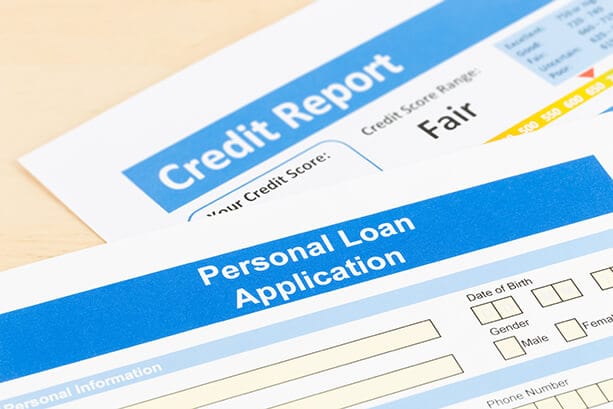
1. Not Checking Your Credit Report First

One of the biggest mistakes is diving into the loan application process without first reviewing your credit report. Lenders look closely at your credit history to determine your reliability as a borrower, so knowing your score and report details is essential.
Solution: Obtain a copy of your credit report from credit bureaus and look for any errors, outdated information, or missed payments. Correcting inaccuracies can boost your score, and understanding your report will help you set realistic expectations.

2. Applying for Too Many Loans at Once

It may be tempting to apply for multiple loans to increase your chances of approval, but each application triggers a “hard inquiry,” which can slightly lower your credit score. Additionally, lenders may view numerous applications as a sign of financial instability.
Solution: Limit loan applications to those that meet your needs and requirements. Take the time to research loan options, choose a reputable lender, and only apply if you’re confident about meeting their criteria.

3. Choosing the Wrong Type of Loan

Not all loans are created equal, and selecting the wrong type can lead to unnecessary costs or even rejection. For instance, applying for an unsecured loan with poor credit can result in higher interest rates, while a secured loan might be a better option.
Solution: Compare different loan types and understand their pros and cons. If you have collateral, such as a vehicle or home, a secured loan may offer better rates. If not, research lenders who specialise in bad-credit or personal loans designed for your situation.

4. Overlooking the Total Cost of Borrowing

Focusing solely on the monthly payment rather than the overall cost of the loan is a common mistake. Lenders often break down fees, interest rates, and other costs separately, but these can add up. A loan with a low monthly payment may ultimately cost more due to long-term interest.
Solution: Calculate the total cost of the loan, including all fees and interest, to ensure you’re comfortable with the full financial commitment. Online loan calculators can help you evaluate long-term affordability.

5. Ignoring Fees and Hidden Charges

Some loans come with hidden fees, such as processing, origination, or early repayment penalties. Not factoring these into your budget can lead to unexpected costs.
Solution: Ask your lender about any potential fees before signing. Make sure you fully understand any extra charges that may apply, and read the fine print in your loan agreement to avoid surprises.

6. Misjudging Your Repayment Capacity

Taking on a loan amount that you can’t comfortably repay is a fast track to financial stress. Lenders assess your debt-to-income ratio, but it’s up to you to evaluate your own budget.
Solution: Be honest about your income and expenses when determining a loan amount. Calculate your monthly payments and ensure you can cover them without compromising your other financial obligations.

7. Skipping the Pre-Approval Process

Skipping pre-approval may seem like a way to save time, but it can actually be a helpful step, particularly for people with low credit. Pre-approval can give you a sense of the amount you’re eligible for and the interest rates you might receive, allowing you to plan better.
Solution: Opt for pre-approval if available. It will provide an estimate of your borrowing potential and allow you to focus on loans that are more likely to be approved.

8. Not Having a Plan for Improving Credit

Applying for a loan with bad credit doesn’t mean you’re out of options, but without a strategy for improving your credit, you may face higher rates and limited offers.
Solution: While waiting for your loan approval, work on small improvements that can make a difference over time. Consistently paying down debt, reducing credit card balances, and making timely payments can all contribute to a higher credit score in the future.

9. Failing to Compare Lenders

Applying with the first lender you come across can be costly. Interest rates, fees, and loan terms vary widely across lenders, and failing to shop around could mean missing out on better options.
Solution: Research multiple lenders, especially those who specialise in loans for bad credit. Compare interest rates, repayment terms, and customer reviews to ensure you’re selecting the best option for your needs.

10. Not Reading the Loan Terms Carefully

It’s easy to skim through the paperwork, but not fully understanding your loan terms can lead to financial setbacks. Elements like interest rates, repayment schedules, and default consequences are crucial to know upfront.
Solution: Take the time to read your loan agreement carefully. Don’t hesitate to ask your lender questions if anything is unclear; understanding the terms will empower you to manage your loan more effectively.

Navigating the Loan Process with Confidence
Applying for a loan with bad credit may feel challenging, but avoiding these common mistakes will make the journey much smoother. By carefully researching, planning, and managing your expectations, you can improve your chances of securing a loan that fits your financial goals. Remember, each step you take toward responsible borrowing brings you closer to better financial health.

If you’re ready to take the next step, Australian Lending Centre offers loan options tailored to borrowers with all credit backgrounds. Start your application today and let us guide you toward a loan solution that meets your needs.

Navigating the Loan Process with Confidence

Categories
Financial Planning Financial Fitness

How to Improve Your Credit Score Before Applying for a Loan

Your credit score plays a significant role in determining your eligibility for loans, influencing both approval chances and the terms you’re offered.

If you’re planning to apply for a loan, improving your credit score beforehand can help you secure better interest rates and repayment terms.

Here’s a step-by-step guide on how to boost your credit score before applying for a loan.

How to Improve Your Credit Score Before Applying for a Loan

1. Review Your Credit Report

Start by obtaining a copy of your credit report from a reliable credit reporting agency. This will help you understand where you stand and identify any inaccuracies that may be affecting your score.

Tip:
If you find incorrect information, file a dispute with the credit reporting agency to have it corrected. Even small errors can have a significant impact on your credit score.

What to Check For:

Look for any late or missed payments

Identify any debts that may have gone to collections

Spot any errors in your personal information or credit history

2. Pay Off Outstanding Debts

Paying off outstanding debts is one of the most effective ways to improve your credit score. Focus on reducing high-interest debt first, such as credit cards, as these often contribute to a lower score.

  • Debt Reduction Strategies:
    • Prioritise high-interest debts (such as credit cards)
    • Make consistent, on-time payments
    • Consider consolidating multiple debts into one manageable payment
  • Tip:
    If you have trouble managing multiple debts, consider debt consolidation to simplify repayments and potentially reduce your interest rates.

3. Make Timely Payments

Your payment history accounts for a large portion of your credit score. Consistently making payments on time will gradually improve your score, while missed or late payments will lower it.

  • How to Stay on Track:
    • Set up automatic payments or reminders to avoid missing due dates
    • Prioritise at least the minimum payments on all accounts
    • Catch up on any overdue accounts as soon as possible
  • Tip:
    If you’re struggling with making timely payments, speak to your lender about setting up a payment plan. This can prevent further damage to your credit score.

4. Lower Your Credit Utilisation Ratio

Your credit utilisation ratio is the amount of credit you’re using compared to your total credit limit. Ideally, you should aim to keep this ratio below 30%.

  • How to Reduce Credit Utilisation:
    • Pay down balances on your credit cards
    • Ask for a credit limit increase (but avoid spending more)
    • Avoid maxing out your credit cards
  • Tip:
    Pay off a portion of your credit card balance before the statement date to lower your utilisation ratio and improve your score.

5. Avoid Applying for New Credit

Each time you apply for a new line of credit, it results in a hard inquiry on your credit report, which can lower your score.

Try to limit the number of applications for credit cards or loans while you’re working to improve your credit.

  • Tip:
    Focus on managing your existing credit lines responsibly rather than applying for new credit during this period. Too many applications in a short time can signal financial instability to lenders.

6. Keep Old Credit Accounts Open

The length of your credit history also impacts your score. Even if you’ve paid off a credit card or loan, keeping the account open can work in your favour, as it shows a longer credit history.

  • Tip:
    Use old credit accounts occasionally to keep them active, but be sure to pay off the balance to avoid debt accumulation.

7. Consider a Credit-Builder Loan

If you have a low or limited credit history, a credit-builder loan could be a good option. These loans are designed specifically to help you improve your credit score.

As you make regular, on-time payments, your credit score will gradually increase.

  • Tip:
    Be sure to choose a lender who reports to all three major credit bureaus, so your positive payment history helps improve your credit score.

Improving your credit score before applying for a loan can help you secure better interest rates and more favourable loan terms.

By focusing on paying down debt, making timely payments, reducing your credit utilisation, and avoiding new credit applications, you can boost your score and put yourself in a stronger financial position.

Remember, improving your credit takes time, so start working on it well before you apply for a loan.

Consider a Credit-Builder Loan


Categories
Short Term Loans

5 Benefits Of Short Term Loans

Taking a loan isn’t proof that you aren’t administrating your finances well or that you aren’t earning enough money to support your family. A loan is a great method that offers you a way out of a problem! In this article, we discuss the benefits of short term loans.

A short-term loan solves the issue immediately and without all the fuss that comes with larger loans. If you need the money to pay for medical expenses, house reparations or an unplanned trip visit to your family, that’s what short term loans are all about!

5 benefits of getting short term loans

They are manageable!

You can take a $500 loan and that’s it! Small loans were made to fix urgent matters, so take advantage of them! Short term loans won’t keep you up at night thinking how you’re going to manage interest rates and any other additional fees.

Unlike large loans that pose problems and can disrupt your finances, a small loan will help you out. Not being able to make payments on time and worrying about a bad credit score won’t be an issue when you deal with such short-term loans.

Online application

This is one of the biggest benefits of short-term loans. You can fill out a form on the Internet and wait for the money. Skip the road to the bank office and staying in line for hours. This type of loan comes with an online application that will only take you a few minutes of your time while doing it in the comfort of your own home.

Access the funding fast

Skipping the fuss that comes with larger loans also means getting the money faster! This is actually the exact purpose of short-term loans. They have been created for urgent matters that can’t be planned ahead. In just a couple of hours, you can receive the money and sort out your financial difficulties! It’s that simple!

You can customise your payment plan

You can borrow only the money you need, considering that a short-term loan doesn’t come with a fixed sum of money. If you think you’ll be able to pay it back in 3 months, settle a 3-month payment plan. If a 5-month plan sounds better, go with that option. A customisable payment plan allows you to get back on your feet without worrying that you won’t be able to repay the sum in the given period. You choose what’s best for you.

Dealing with a short term loan is easier

Taking a loan isn’t always a burden, especially if you borrow a small amount. Repaying a small loan in a couple of months can be entirely possible for your budget. So, you’ll be able to get out of your financial difficulty, and you won’t have any debts.

Short term loans are a great option to quickly get you back on track- that is of course if you don’t have significant debt. Of course with any loan it is important to take precaution. If you have any questions about short terms loans, read 5 questions to ask when applying for short term loans.

Categories
Personal Loans

Unsecured Loans: Godsend or Nemeses?

Lending products fall into two quintessential categories: secured and unsecured loans. Today, we will talk about unsecured loans, the pros and cons to choosing one, and the situations in which they are likely to be the best options for you. Let’s get started!

Unsecured Loans

An unsecured loan is both issued and supported by a borrower’s credit worthiness. In comparison to secured loans that include collateral or an asset as security, an unsecured loan doesn’t provide an asset as a guarantee. In most cases to get approved for unsecured loans, borrowers must have high credit ratings, since that is the only guarantee that confirms their reliability.

The benefits are evident. To begin with, you don’t have to provide an asset as security. That means you won’t risk any of your valuable assets. Secondly, the application process is quite easy. You can have the money in as little as a few hours.

And thirdly, unsecured loans typically offer flexibility when it comes to the purpose of the loan. In other words, you can use the money for whichever purpose you want: to invest, consolidate your debt, so on and so forth.

Unsecured Loans: Godsend or Nemeses?

While getting an unsecured loan seems like a good idea since you don’t have to provide a guarantee, there is more to it.

Evidently, unsecured loans are greater risks to lenders as they cannot repossess your collateral if you default on the loan. As a result, the interest rates are much higher. On that note, it’s best to know what to expect when you decide to take out an unsecured loan.

When it comes to unsecured loans, the debt-to-income and credit score requirements are much stricter. These loans are provided almost exclusively for the most credible borrowers only.

Unsecured transactions are the riskiest for lenders. Hence, that will also limit the borrowing amount. In other words, if you need to borrow a significant sum of money, you might be unable to do so.

What Happens If You Default an Unsecured Loan?

If you default a secured loan, the lender gets possession of the collateral to make up for the financial loss. On the other hand, if a borrower defaults on unsecured loans, the lender is unable to claim property. At first, the creditor will aim at contacting the borrower to try to get payment.

In the event in which the creditor and the borrower cannot reach an agreement, the creditor’s alternatives are the following:

  • He/she can take action and commission a collection agency to take the borrower to court or collect the debt. If the borrower is unable to make repayments, things can get ugly.
  • The court may rule in the lender’s favour. In such a case, a lien could be placed on the borrower’s wages or any other possession. Either way, the borrower will be ordered to pay off the debt. During this process, legal fees can pile up quickly.

How to Compare Unsecured Loans

compare-loans

Numerous lenders offer promotional incentives when it comes to unsecured loans. That’s why you may might find it difficult to make a decision.

Consider the following factors in making your decision making process.

  • Interest rate. Undoubtedly, the interest rate is one of the most significant aspects you should factor in. As a general rule: the lower the interest rate, the lower the repayments. Make sure you compare various interest rates before you seal the deal. After signing the loan forms, there’s no turning back, so choose wisely.
  • Fees: Next on your list of priorities should be the fees the lender charges, apart from the interest rate expenses. For instance, if you intend to repay an unsecured loan earlier than specified, you are likely to be charged for doing so. That’s not all; you might also be charged if you wish to make additional repayments to minimise the life span of the loan.
  • Additional repayments: Some lenders allow borrowers to make additional repayments at no extra cost. Make sure you discuss this aspect.
  • Redraw facility: Redraw facility enables you to withdraw the extra payments you’ve directed into the loan. This is a helpful factor, especially in the case of an emergency when you’re in need of cash.
  • Minimum and maximum loan amounts. All lenders establish minimum and maximum lending amo Although there is no guarantee that you’ll be eligible for those amounts, being informed in this respect is definitely recommended.

To sum up, unsecured loans aren’t all bad just as they aren’t all good. It’s up to you to analyse your individual circumstances before sealing a deal. Taking out a loan isn’t a decision that should be taken lightly, and this is the key to doing what’s best for you.

If you’re uncertain about choosing a lender, contact us today for a free consultation and advice. We know how challenging it can be to find the best lending product, which is why we are eager to help by supplying loans that meet your situation.

Categories
Refinance and Refinancing

Why Should You Consider Refinancing Your Home Loan?

People take a home loan refinancing into consideration when they’re no longer satisfied with their actual home loan or when they want to make some house renovations.

Refinancing becomes a choice when your lending needs have changed or when your home loan is starting to pose difficulties.

  1. Home Loan Refinancing has lower interests rates

This is the main reason why Australians take into consideration refinancing their mortgage. The easiest way to figure out if it’s worth the trouble to switch your home loan is to calculate if the costs of the refinancing will be paid off in the next two years.

Interest rates and fees can build up, so don’t just look at the lower interest rate that comes with refinancing. Take into consideration all the fees implied in the process.

  1. It’s more compatible with your renovation project

Home loan refinancing brings benefits to homeowners who desire to invest in structural renovations that aren’t compatible with personal loans.

Refinancing allows you to use the equity in your property as collateral. This is an option only if the value of the house outpasses the cost of renovations.

Some home loans don’t offer the option for a construction loan, so you may just have to go into refinancing in order to find one that fits your needs.

  1. Consolidating debts is a good option

Home loan interests rates are lower, and this is why many people add their personal loan or car loan to their mortgage. Dividing the payments over the course of the next 25 to 30 years will ensure much smaller monthly payments, but raise the interest rates.

You could benefit from this option of refinancing if discipline and regular payments are something that you’re used to. You could add a personal loan to your house loan, but instead of paying it off for 25-30 years, choose to pay it over the course of the next five years. This will allow you to sort your personal debt faster and even save almost 75% of the interest rate that you would have spent by prolonging the payments to suit your house loan.

  1. Refinancing offers flexibility

If you’ve come to the point where a fixed rate isn’t your best alternative, and you want and actually can pay out the loan faster, then home loan refinancing is an alternative. Being able to pay according to your income will get you out of debt faster, and it also comes with the split facility, a redraw facility, and an offset account.

  1. When mortgage payments are too big

Sometimes, our finances can’t support the mortgage payments and we’re forced to look for an alternative that requires a smaller amount per month. Even though the interest rates could go higher, there are times when our budget isn’t able to cover the payments, so refinancing is in order.

Home loan refinancing comes with advantages and disadvantages, so before taking the step, see if it will suit your needs!

Categories
Budgeting

Common Budgeting Mistakes to Avoid

Budgeting is always a good idea because this way you can control your financial resources and expenses. But there are a few mistakes that can make a budget go awry. If you don’t want this to happen, make sure you avoid the following ones.

Budgeting Mistakes

Making it too strict

Even though budgeting is not fun at all, the feeling you get when starting it is quite exciting because you believe you can spare a lot of money. Because of this feeling, many Aussies tend to make a budget they cannot afford or respect because it’s too strict.

Many articles advise people to use the money in order to achieve the things they want, but in most cases, they also recommend to cut the budget allocated for fun, discretionary spending, or indulgences. When reading such an article and being excited to spare more for your goals, you can easily be tempted to allow no money for these activities. But not spending at all on your entertainment is not possible so that you will do it anyway. In the end, you will still dispense an amount of money for these needs, but you will be disappointed because this will affect your budget. Why end up frustrated because you were too excited at the beginning? When planning your budget, try to be realistic and avoid making it too strict. Allow yourself “fun money”, but not too much.

Planning it without a purpose in your mind

Having a goal is an excellent way to motivate you to stick with the budget you made. So what is your purpose? Why are you saving money? For instance, if you still have to pay your student loans, or you have debts, budgeting is undoubtedly a wise choice. When you know that you must save money for a particular goal, your motivation is boosted. On the other hand, it is easier not to respect a budget when you don’t have any purpose. You don’t need debts to have a substantial reason to spare money. You can think about your house renovation you have dreamed for so long, a new car, a motorcycle, etc.

Not considering irregular expenses

When budgeting, keep in mind that you must include the irregular expenses, even though they do not “pop up” monthly. Some are quarterly, others are annual, and so on. For instance, consider the holiday spending, car insurance premiums, school supplies, car maintenance, home repair projects, and pet vaccinations. Additionally, don’t forget that utility bills are higher in winter and summer.

Categories
News

What is Bitcoin?

Understanding Bitcoin

More and more Australians are becoming aware of something called “Bitcoin”, even though many of them aren’t quite sure what it is. Although a recent phenomenon, Bitcoin has already managed to capture the imaginations of many people from different backgrounds and from all walks of life. Bitcoin is somewhat a form of currency. It’s like currency in the sense that you can use it to buy goods or services at establishments which honor Bitcoin. In the past, there were not many companies which would be willing to accept it as a form of payment. However with each passing month, it seems that more websites are announcing that they are willing to receive it as payment.