


Categories
Budgeting Financial Planning

Budgeting For Loan Repayments – Techniques & Tips

The aim of this article is to give you all the tools and techniques to improve and develop techniques for budgeting for loan repayments.

Do you have the resources to pay off your loan after taking one out?

A budgeting plan will allow you to do the following:

  • Be more in control of your finances
  • Avoid falling into a neverending debt cycle
  • Help to reduce stress
  • Enable you to better plan out your future.

Budgeting for loan repayments takes some organisation. Here is a step-by-step guide on how to do it.

Understand the real meaning of budget

A good budget should record the following:

  • Actual income
  • Projected income
  • Expenditures over a period of time

There are many resources out there to help you to budget, from apps to budgeting experts, to websites. We recommend Just Budget’s free online budget calculator because you receive a clear tangible solution at the end.

When budgeting for loan repayments, you should consider the following before making a decision about spending.

What is important to me?

Are you willing to trade off a comfortable retirement for a holiday in the Caribbean? Do you want to eat at nice restaurants and charge them on credit cards, copping interest in the process? Would you prefer to pay for your children’s education instead of purchasing an extravagant model of car?

Each of us have our own priorities. Someone else’s priorities may seem to be trivial to you. A simple event can be other person’s bucket list experience. Your choices depend upon what is significant for you. Sadly, a lot of people get into debt for things that do not really matter to them in the grand scheme of things.

How do I want to live?

Nobody wants to live below the poverty line and not everyone is comfortable with debt. But, when a crisis occurs, such as family breakdown, health issues or unexpected changes, you may be forced to go into debt — which may be too great for you to handle.

Thinking about creating a debt management strategy, could help you handle debts and free up a little income to meet your daily expenditure.

How can I accomplish my financial goals?

Visualise your future

By smartly utilising your income, you could live comfortably even if you have debts. The challenge is to bridge the gap between your present situation and your vision.

You can ask yourself, ‘If I want to be that person, what can I do right now to get there?” The answer may be uncomfortable for you at first, but when you see that you are getting through with it with flying colours, you will be encouraged to continue until you succeed.

Set realistic and achievable financial goals

What are your long-term and short-term goals?

Do you wish to save $50,000 for a down payment to your dream house or do you want to be totally free from debt in 5 years’ time? Your goals should be specific. Put a deadline for each of them and review or adjust those goals until you accomplish them.

For example, if you want to have a comfortable retirement, define ‘comfortable’. When do you want to retire? How much money do you want to receive each month? Where do you want to live?

Set short-term goals or those that you can accomplish in less than a year. Perhaps you want to pay off your $1,000 credit card debt in 6 months or save $2000 for a nice pair of shoes for Christmas.
Make a plan on how to accomplish your goals

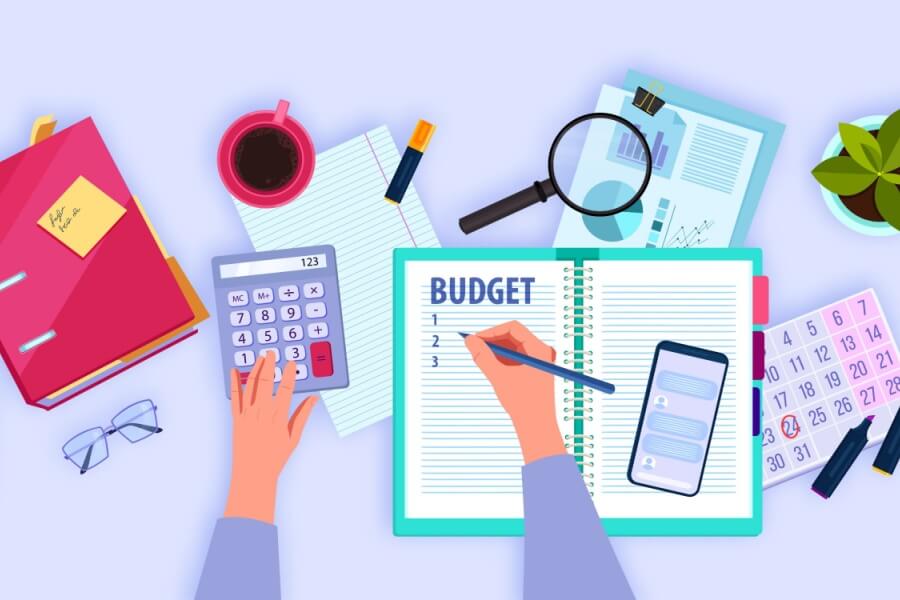
When budgeting for loan repayments, there are three factors to consider when creating a strategy:

  • Income: How much money do you make? Do you have 1 income stream or do you have a side hustle? Could you find other ways to increase your income?
  • Outgoings: Consider your fixed (wifi, rent) and variable expenses (groceries, electricity), and your debt repayments. Also consider how much spending money you typically spend.
  • The result: If your monthly income is greater than your average monthly expenses + minimum debt repayments then you can decide what to do with the suplus. Will you put it towards paying off debts faster? Will you use it to treat yourself to material goods, holidays or dining out? Or will you put it aside for future savings or an emergency fund?

Do you feel like there’s no way out of your current situation?

If you feel as though you are drowning in debt then things can get complicated.

You may choose that debt consolidation is the right solution for you. This entails taking out a loan whereby your current debt are combined into 1 repayment with fixed or no interest and lower total fees with a clear repayment structure.

If you are making less than the total of your expenses and debts then debt you may want to consider debt relief where your repayments are stretched out into lower amounts over a longer period of time, so you can afford them and stop being overwhelmed by debt repayments.

Some final notes when budgeting for loan repayments

If you are not already too deep in debt, then budgeting for loan repayments can be fairly straightforward. It just takes a clear vision, some careful planning and discipline to find your way out.

Sometimes, you have to make tough decisions to escape the debt cycle. If you need a hand with budgeting then Australian Lending Centre are only a phone call away.


Categories
Financial Planning Debt Management

Budgeting Tips – Learn How to Manage Your Finances

There are many benefits that come with budgeting. Creating a budget is something that everyone can do. It doesn’t matter how much you earn, what expenses you have, or which stage you are at in life. They can be created specifically for your needs. In this blog, we share budgeting tips to help you to manage your finances, but first, here are some reasons you might be considering a budget:

Set and meet a savings goal

Have a big trip on the horizon? Looking into high schools for your kids? There are plenty of expenses in life that add up fast, and creating a budget is a great way to work towards them. You may even have a bigger goal in mind, such as buying your first home. Every little bit counts and budgeting will help get you closer.

Overview of your finances

You may think you are spending wisely, but often on closer inspection of where your money is going, you may discover otherwise. Often we spend blindly, thinking we are keeping track, but when we add up the numbers, it can be a shock. Creating a budget lets you see exactly where your money is going and what you are spending it on.

Improve your spending

Finally, with a budget, you can improve your spending. You don’t have to cut out the luxuries, but rather just look at cutting down in places to help you add more money to savings instead.

No matter which reason applies to you, creating a budget is a practical solution. It puts you in charge of your finances. Here are some great budgeting tips to help.

Budgeting Tips – Manage Your Finances

Start with the Past

This may sound draining, but it really is the best way to do it. It’s best to go back about a year, so you get a full overview of all your expenses. This might include insurance and other bills that come at different stages throughout the year.

Print out your statements and run through them with different coloured highlighters. For example, use yellow for household expenses, green for car expenses and orange for entertainment. Just being able to see this at a glance will give you a good indication of where your money is going each year. And remember, a budget isn’t about cutting out bad spending. It is about being aware of where you money is going and cutting down on areas. Maybe you didn’t realise you went out so much?

Set Achievable Goals

Look at where you are and where you want to be. There is no point cutting out all entertainment expenses, just to buckle down and save. This just isn’t realistic and you will end up slipping up, which will put you back at square one. Instead, set goals you can achieve, and always allow for ‘anonymous’ expenses, such as a couple of dollars for the cake stand at school. You need a bit of leeway for these small expenses that can add up.

Open a Savings Account

Now you have a goal in mind, make sure you have a savings account set up. The most important thing when it comes to your savings account is to ensure you are earning interest on the money. Opt for an account that has a good interest return, after all this is easy money in your pocket that will give your savings a good boost.

Use cash

By using cash instead of your credit card or bank card, you will become much more aware of your spending and less likely to overspend. This is one of the best budgeting tips out there. Take out a certain amount each week and watch where it is going – don’t let yourself spend beyond this. It is so easy to tap away on a card and not even consider where your money is disappearing too.

Ring all your providers

Another one of those golden budgeting tips. This one can be time-consuming, but it is so worth it. Ring around all your providers, mobile phone, internet, insurances, etc., and look for a better deal. Often all you have to do is ask, especially if you have been with them for a while.

Stick to It

Don’t let yourself go, as bad habits will come back really quickly if you find yourself giving up. If you have the odd slip-up, that’s fine, get back on track and go again. And if you are finding it is just too hard, this may mean you need to take a look at your goals and readjust them to make them more achievable. It’s all too easy to feel like a failure if you can’t meet your goals. However, if this is the case, it is more likely that your initial goals just weren’t achievable. Budgeting apps can be useful if you are struggling to budget yourself. Money Brilliant is one of the budgeting apps available in Australia. Budgeting takes hard work and perseverance, but the results speak for themselves. Use these budgeting tips to help you to manage your finances and soon you’ll be in a good position to reach your savings goals. If you need a bit of extra help managing your money, get in contact.



Categories
Financial Fitness

Saving Money On a Lower Income

There is a range of strategies you can employ to make saving money o. One of the major areas that can save you a lot in the long term is debt consolidation. There are also some other lifestyle choices you can make to improve your financial situation.

Many people think it is all too hard, but everything you do will help, even small changes can make a huge difference. We can all employ a range of measures that will prevent budget blowouts without sacrificing all the things you like doing.

If you are finding yourself on the roller coaster of no savings, bad debt management, poor (or no) budgeting and everything is a bit chaotic, Australian Lending Centre has some tips and tricks to get you out of bad debt employing activities such as debt consolidation, saving and feeling in control again.

First things first – Where Does Your Money Currently Go?

If you don’t yet have a budget, keep a financial diary for your pay period and track how you are spending your money. The Money Smart website offers a great money tracking app to make this easier. This will give you valuable insight into your habits and areas you can save.

  • What are you spending your money on?
  • How much is left over at the end of the pay period?
  • What money needs to go out on payments and bills?
  • Are there any areas of waste or unnecessary spending?
  • Are there areas where you are going backwards and getting into arrears?

Planning and Budgeting  – Where Will Your Money Go?

Once you have a record of what your current spending entails, get online to the Money Smart website and complete the budget tool. Be sure to include all your debts, payments, bills, and income. Mark payments and amounts in your calendar.

Most bank online apps have the ability to schedule payments, so they come out when they are due, but if these are also in your calendar you won’t get any unexpected payments coming out. These regular payments can including things like:

  • Mortgage or rent
  • Car payments, car registration and insurance
  • Household/health insurance
  • Credit card payments
  • Loan repayments
  • Store card payments
  • Afterpay/ZipPay (remember that defaulting on these can effect your credit score)
  • Utilities such as gas and electricity (you may want to discuss bill smoothing with your provider – this is a regular payment over time rather than a massive and shocking bill each quarter)
  • Internet and phone

Bad Debts? Talk to the Credit Provider

The bottom line is that companies want to be paid. They are always receptive if you explain your situation, especially if you have, or are, experiencing financial hardship.

You may be able to negotiate with them to reduce or put a hold on payments until you get back on top of things. Of course, you still have the pay the money back, but a hiatus on payments can help in the short term.

Some credit providers will allow you to reduce the final figure if you can pay the debt outright. If they offer this, it may be time for debt consolidation. If you are too overwhelmed by the phone calls and letters, then talk to us about negotiating on your behalf.

Next Steps – Take Control With Debt Consolidation

When loans and credit cards get beyond what you can cope with in terms of interest and late payments, it might be time to call in help from the experts. Companies like Australian Lending Centre can offer a solution for a bad credit debt consolidation loan.

This is where you negotiate with lenders for a reduced payout figure and then apply for a single loan that will cover all your bills in one payment with a lower interest than general credit cards and late payment fees.

Having one simple debt consolidation loan payment to go out eat pay period is going to be a lot easier than trying to remember everything. The sooner you simplify your payments, the sooner you will be in an easier financial situation.

Money-Saving Tips

Turn off the TV

Are services like Netflix, Foxtel, Stan, Hayu and the iTunes store getting beyond ridiculous? Try cutting out all but the most popular one, to cut back.

Turning off the TV will also help cut back on power and expose you to less spend-inducing ads. You might also have app subscriptions that you don’t need. Although these are small they can add up in a month.

Stop Hoarding and Start Selling

If you have closets full of unwanted clothes, try selling them online. A good clean out also helps you to see what your wearable wardrobe looks like so you can plan your clothes shopping to maximise your shopping budget.

Also if you buy anything make sure it goes with the other items in your wardrobe. Take advantage of sales, why pay retail when most clothes will go on sale towards the middle of the season.

Look for those habits that add up

You can cut back on your habits, such as drinking alcohol during the week, smoking (probably goes without saying but your health and budget will thank you), buying coffees, can all save a surprising amount as well as having general health benefits.

Limiting your drinking to the weekend can save hundreds a month, depending on your drink of choice. That bottle of wine after work at $15 a night can really add up over the week. Similarly, a $4 coffee each day is $20 a week. Make coffee at home in a keep cup and save money and the environment.

Stop using your credit card

By switching to using your debit card or cash for purchases, you will be more aware of your spending habits. It will also prevent the slide into bad credit debt.

Be frugal at the supermarket

Most of the time, buying in bulk or larger sizes are cheaper over time, so check on the prices for the larger sizes. Don’t shop with kids. Pester power is a thing and can increase your spend at the checkout. Never shop when you are hungry. Buy less meat, which is expensive, and opt for more meat-free alternatives, such as tofu, beans, and pulses.

Eat Smarter

With a busy life, planning meals can be a real chore, but while using services like Uber Eats seems like a good alternative, you are actually paying $5 on top of takeaway prices and it really can add up at the end of the pay period. By shopping in bulk, cooking healthy meals and taking the leftovers to work for lunch, you can save quite a lot each day.

Are You Missing Out On Government Payments You Are Entitled To?

Lastly, make sure you check all your entitlements with regards to government payments. As a low-income earner, you may be eligible for some form of financial support if you aren’t already receiving a government benefit.

When every dollar counts it’s worthwhile claiming all you can. To check on payments and entitlements, check out the Department of Human Services. Even a small additional payment may ease your financial burden. Living on a low income is hard, but these payments are designed to help.

Small Changes with Big Returns

Once you have a clearer picture about where your money goes, you make changes to your lifestyle and start on the path to greater financial control, the happier, healthier and less stressed overall you will be.If you need help with debt consolidation, please get in touch. We’d love to hear from you.

Note: This information is general, and doesn’t take into account your specific personal and financial circumstances.